
Apni Chat Apna Ghar Scheme
Apni Chat Apna Ghar Scheme Owning a home in Pakistan has become one of the biggest challenges for middle-class families. Over the past few years, construction material prices have doubled, bank loans have become unaffordable, and rental expenses are eating up most household incomes. During visits to different cities and rural areas of Punjab, one concern is repeated everywhere: people own small plots but cannot afford to build a house.

ACAG Housing Plan Breakdown ACAG Housing Plan Breakdown Owning a house has slowly turned into a distant dream for many families across Punjab. Over the years, I’ve spoken to daily wage earners, lower-middle-income employees, and even retired government servants who all say the same thing: buying land is expensive, construction costs are rising, and bank…

Apni Chhat Apna Ghar Program 2026 Apni Chhat Apna Ghar Program 2026 In Punjab, housing has quietly become one of the biggest struggles for ordinary families. Over the years, I have personally observed people working day and night, saving money, yet still unable to build a small house for their children. Rent keeps increasing, construction…
Continue Reading Apni Chhat Apna Ghar Program 2026 Registration Portal acag.punjab.gov.pk
ACAG Scheme Loan Eligibility ACAG Scheme Loan Eligibility For many families in Punjab, owning a small residential plot is a blessing that still feels incomplete. The dream of building a house often remains unfulfilled due to rising construction costs, low income, and lack of access to bank financing. Over the years, I have seen countless…

Apni Chhat Apna Ghar Program Apni Chhat Apna Ghar Program (ACAG) program has entered a decisive phase in Punjab, shifting from planning to large-scale delivery of affordable housing. Under the leadership of Chief Minister Maryam Nawaz Sharif, the government has prioritized loan disbursement, construction progress, and complementary housing initiatives to ensure families with limited income…
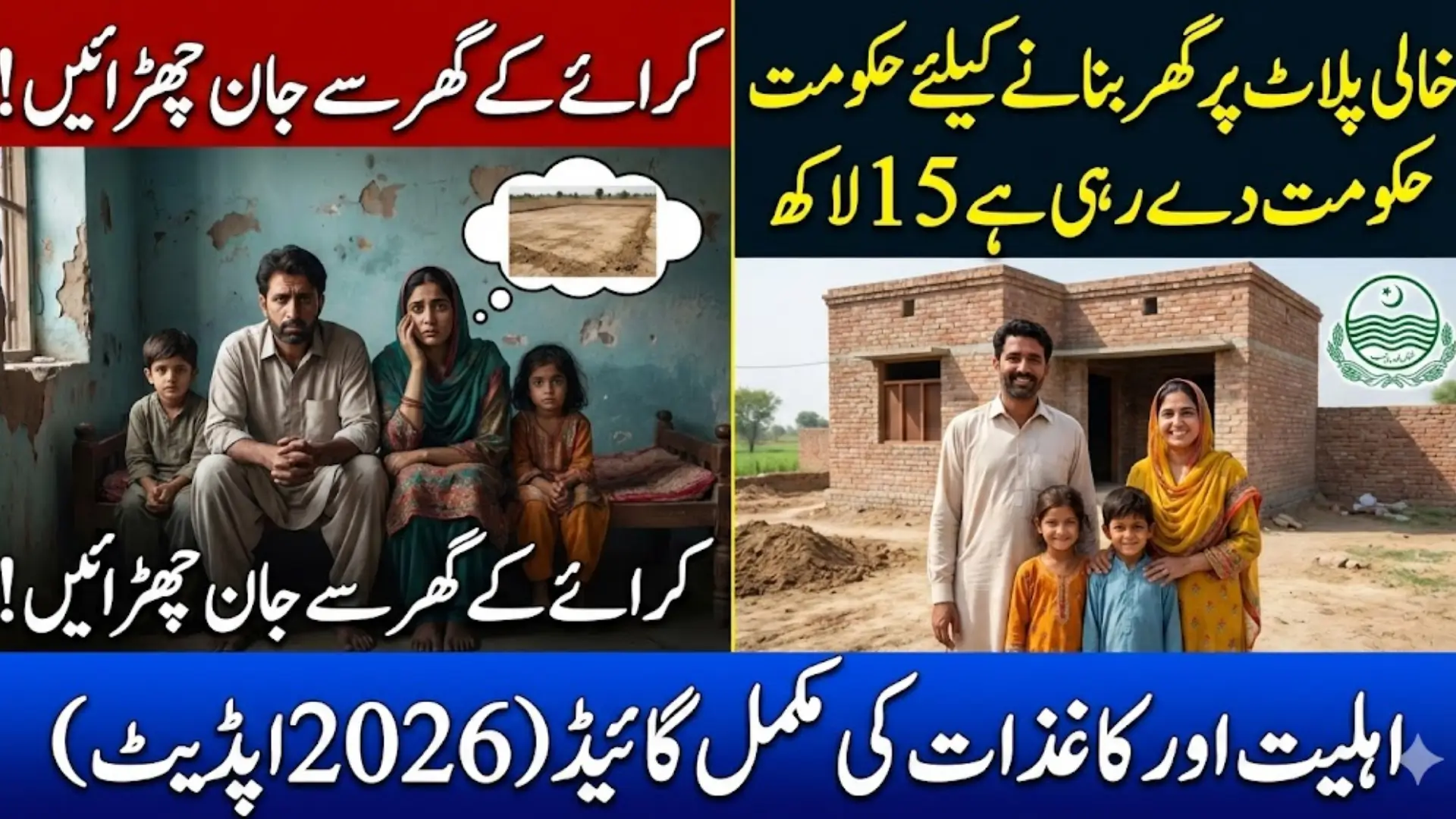
To address this real and visible problem, the Punjab government has introduced the Apni Chat Apna Ghar Scheme 2026, a welfare-based housing loan program managed through the ACAG portal. The scheme offers interest-free loans up to 15 lakh rupees, allowing deserving families to finally start construction of their own homes instead of spending their lives paying rent.
Why Apni Chat Apna Ghar Scheme Matters in 2026
In 2026, housing is no longer just a comfort issue; it has become a survival issue for many Pakistani families. Rising rents in cities like Lahore, Rawalpindi, Multan, and Faisalabad have pushed middle-income families into financial stress. Even in rural Punjab, families are living in temporary or shared spaces despite owning land.
The Apni Chat Apna Ghar Scheme directly responds to this ground reality. Instead of promising plots or apartments that remain on paper, this initiative focuses on helping people build houses on land they already own. This practical approach is what makes the scheme relevant and powerful in 2026.
District Based Quota of Loans
Here are the district-wise loan quotas with the total included:
| District | Loan Quota |
|---|---|
| Bhakar | 283 |
| Khushab | 243 |
| Layyah | 366 |
| Mianwali | 307 |
| Muzaffargarh | 714 |
| Chiniot | 313 |
| Faisalabad | 851 |
| Jhang | 451 |
| Sargodha | 520 |
| Toba Tek Singh | 376 |
| Gujranwala | 657 |
| Hafizabad | 302 |
| Kasur | 484 |
| Lahore | 1690 |
| Nankana | 314 |
| Narowal | 357 |
| Okara | 518 |
| Pakpattan | 401 |
| Sheikhupura | 512 |
| Sialkot | 570 |
| Attock | 287 |
| Chakwal | 263 |
| Gujrat | 466 |
| Jhelum | 225 |
| Mandi Bahauddin | 358 |
| Rawalpindi | 600 |
| Bahawalnagar | 454 |
| Bahawalpur | 517 |
| Rahim Yar Khan | 714 |
| DG Khan | 498 |
| Khanewal | 458 |
| Lodhran | 380 |
| Multan | 726 |
| Rajanpur | 368 |
| Sahiwal | 443 |
| Vehari | 517 |
| Total Loan Quota | 17,503 |
Government Vision Behind the Housing Loan Initiative
Chief Minister Punjab Maryam Nawaz has repeatedly highlighted that housing is a basic right, not a luxury. The vision behind this scheme is rooted in social protection, dignity, and long-term stability for families who contribute to the economy but are ignored by commercial banks.
This program reflects a shift in governance style. Rather than pushing citizens toward high-interest loans, the government itself becomes a partner in construction. The goal is not profit, but secure shelter, which improves health, education, and overall quality of life.
What Makes the ACAG Housing Program Different
Unlike private housing schemes and bank loans, the ACAG-managed Apni Chat Apna Ghar program is designed purely for public welfare. From registration to verification and loan disbursement, the process is monitored by government departments.
Key differences that separate this scheme from others include:
- Completely interest-free loan structure
- Majority cost covered by government subsidy
- Fixed and predictable monthly installments
- Transparent digital verification system
- No involvement of commercial banks
These features reduce fear among applicants who hesitate due to past experiences with hidden charges and unclear loan terms.
Total Loan Amount, Subsidy Ratio, and Repayment Structure
The financial structure of the Apni Chat Apna Ghar Scheme is intentionally simple so that even non-technical applicants can understand it. The maximum loan amount goes up to PKR 15 lakh, depending on plot size and eligibility.
Loan Structure Overview
| Feature | Details |
|---|---|
| Maximum Loan | Up to PKR 1,500,000 |
| Government Contribution | 60% subsidy |
| Applicant Share | 40% |
| Monthly Installment | Approx. PKR 14,000 – 26,000 |
| Repayment Duration | 5 to 7 years |
| Initial Relief | First 3 months installment-free |
This repayment model closely matches what families already pay as rent, making it financially manageable without disturbing daily expenses.
Target Beneficiaries and Income Segment Focus
This scheme is carefully targeted. It is not meant for investors, overseas buyers, or people owning multiple properties. The focus remains on families who are genuinely struggling to construct a basic home.
The primary beneficiaries include:
- Salaried middle-class households
- Daily wage earners with owned plots
- Small shopkeepers and self-employed workers
- Families living in rented or joint accommodations
By limiting eligibility, the government ensures resources are not misused.
Cities and District Coverage Under 2026 Phase
One strong feature of the Apni Chat Apna Ghar Scheme is its wide coverage across Punjab. Unlike previous initiatives that favored major cities, this program includes underdeveloped districts as well.
Both urban and rural districts are part of the 2026 phase, ensuring balanced development and equal access to housing support across the province.
Housing Development Framework Used by Punjab Government
Construction quality has been a major concern in past housing projects. To avoid this, PHATA plays a central supervisory role in this scheme. From house design approval to construction monitoring, everything follows predefined standards.
PHATA ensures:
- Approved structural designs
- Controlled construction costs
- Safe and durable materials
- Regular inspection milestones
This approach protects beneficiaries from poor construction practices.
Verification and Transparency Mechanism
Transparency is one of the strongest pillars of this scheme. Applications are not approved based on recommendations or influence, but on verified data.
Verification includes:
- NADRA family record confirmation
- PMT score assessment (must be under 60)
- Land ownership verification through PLRA
- Financial and legal background checks
This multi-layer verification ensures fairness.
Who Can Apply in 2026 – Eligibility Explained Simply
Eligibility criteria are strict but practical. Applicants must meet basic social and financial conditions to qualify.
Key eligibility points:
- Applicant must be head of household
- Permanent resident of Punjab
- Own 1–5 marla plot (urban) or 1–10 marla (rural)
- No bank default or criminal record
- Registered in NSER
Meeting these conditions significantly improves approval chances.
Documents Required for ACAG Online Application
Applicants should prepare documents before applying to avoid rejection or delays.
Required documents include:
- Applicant CNIC
- Spouse or family head CNIC
- Registered mobile number
- Plot ownership documents
- Address details
Accuracy in documentation is critical.
Step-by-Step Online Registration via ACAG Portal
The Punjab government has simplified the online registration process so that even first-time users can apply.
Steps include:
- Visit https://acag.punjab.gov.pk
- Click on “Register”
- Fill the application form carefully
- Submit after review
Applicants are advised to double-check information before submission.
Alternative Registration Options for Non-Internet Users
Recognizing digital limitations, the government has provided offline registration support.
Applicants can:
- Call toll-free number 0800-09100
- Visit designated registration centers
- Get assistance from government staff
This ensures inclusivity.
Balloting System and Selection Process
Due to high demand, applications are shortlisted through a computerized balloting system. This process removes favoritism and ensures equal opportunity.
Selected applicants are notified through official SMS and portal updates.
Economic and Social Impact of the Scheme
On ground level, this scheme is expected to generate employment, improve living standards, and reduce informal settlements. Construction activity alone creates jobs for laborers, suppliers, and technicians.
Secure housing also improves education outcomes, health conditions, and social stability for families.
Common Myths and Clarifications About the Scheme
Many people delay applying due to misinformation.
Important clarifications:
- This is not a bank loan
- No interest is charged
- Installments are fixed
- Land ownership is mandatory
Understanding facts removes hesitation.
Final Words
From a journalist’s perspective, the Apni Chat Apna Ghar Scheme 2026 is one of the most practical housing initiatives seen in Punjab in recent years. It does not promise luxury but delivers dignity and stability.
For families owning small plots and struggling with construction costs, this scheme is a genuine opportunity to turn land into a home.
Frequently Asked Questions (FAQs)
1. What is Apni Chat Apna Ghar Scheme 2026?
Apni Chat Apna Ghar Scheme 2026 is a Punjab government housing program that provides interest-free loans up to 15 lakh rupees to deserving families who own small plots but cannot afford house construction. The scheme is managed through the ACAG portal.
2. How much loan amount can I get under this scheme?
Eligible applicants can receive a loan of up to PKR 1,500,000, depending on their plot size, location (urban or rural), and verification results. The loan is meant only for house construction.
3. Is the Apni Chat Apna Ghar loan really interest-free?
Yes, the loan is 100% interest-free. No markup, bank interest, or hidden charges are applied. The Punjab government provides a major subsidy to reduce the financial burden on beneficiaries.
4. Who is eligible to apply for Apni Chat Apna Ghar Scheme 2026?
Applicants must be:
- Head of the family
- Permanent resident of Punjab
- Owner of 1–5 marla plot in urban areas or 1–10 marla plot in rural areas
- Registered in NSER with PMT score under 60
- Not a bank defaulter or involved in criminal cases
5. Is owning land compulsory for this scheme?
Yes, plot ownership is mandatory. This scheme does not provide plots; it only helps people build houses on land they already own.
6. How can I apply online for Apni Chat Apna Ghar Scheme 2026?
You can apply online by visiting the official ACAG website https://acag.punjab.gov.pk, creating an account, filling out the application form, and submitting it with correct information.
7. What if I do not have internet access?
If you do not have internet access, you can:
- Call the toll-free number 0800-09100
- Visit the nearest government registration center
Government staff will assist you with the application process.
8. How will applications be selected after registration?
After verification, eligible applications are shortlisted through a computerized balloting system. This ensures transparency and equal opportunity for all applicants.
9. When do monthly installments start after loan approval?
Installments usually start after a 3-month relief period. This allows beneficiaries time to begin construction before repayment begins. Monthly installments are kept affordable, similar to average rent.
10. Can a government employee apply for this scheme?
Yes, a government employee can apply if all eligibility conditions are met, including income limits, PMT score requirements, and plot ownership criteria.